From Earth to Space!
"While orbiting Earth in the spacecraft, I was amazed by the beauty of our planet. I kept thinking: we must not destroy this beauty, we must protect it and take care of it."
When Yuri Gagarin, the first human to go to space, returned to Earth, he expressed similar feelings. The beauty of our world had astonished him. He was the first person to experience both spaceflight and these profound emotions, but he would not be the last.
"I believe that if political leaders had the chance to see their planets with their own eyes from a few hundred kilometers away, their perspective would completely change. All borders would disappear, and all loud arguments would suddenly fall silent."
Michael Collins, who also participated in the famous Apollo 11 mission, described his feelings in a different way.
And Neil Armstrong, who was on the same mission and the first to set foot on the Moon, was struck by the smallness of Earth:
“Suddenly, I realized that the beautiful, blue marble was the Earth. I raised my thumb and closed one eye, and the Earth disappeared. I could hide it with my thumb. I didn’t feel huge. Rather, I felt very, very small.”
We go there to explore space, but in the process, we sometimes discover something even deeper: the conscious shift that comes from seeing Earth from space. The feelings experienced by anyone who travels to space are called the Overview Effect. Those who look at Earth from space sense the beauty of our home planet, its fragility and vulnerability, the uniqueness of life, and, at the same time, how our shared human traits outweigh our differences, and how deeply interconnected we all are.
South Atlantic Ocean from an altitude of 436 km, with the solar panels of the International Space Station in the background, from the SpaceX "Crew Dragon Endeavour" capsule
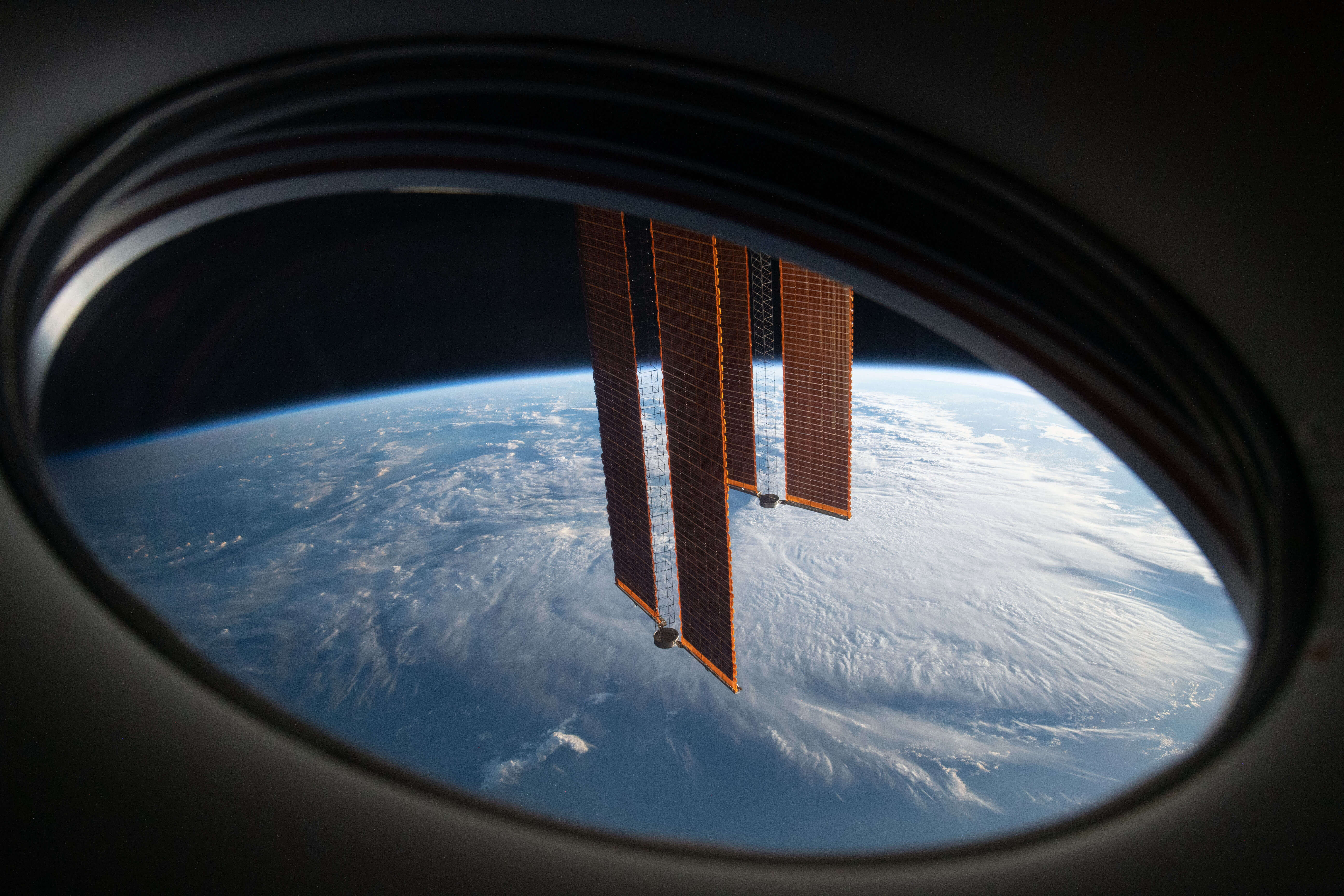
“The Overview Effect”, a shift that inspires many, changing how we perceive things, our surroundings, the world we live in, and the cosmos we are part of; reminding us that going to space is, in a way, also something we do for Earth.
—
Humanity has been present in space for many years now. Different missions, different goals, different people. At the end of the day, almost every space journey returns to where it began, our planet. None of these human spaceflights is one-way. They return to Earth. They share their experiences, their feelings, and what they’ve seen. And across many of these reflections, it’s easy to sense a common thread in what they emphasize and the message they try to convey: even if the destination is space, the place we want to be useful to is Earth.
Canadian Rockies from an altitude of 420 km, from the International Space Station
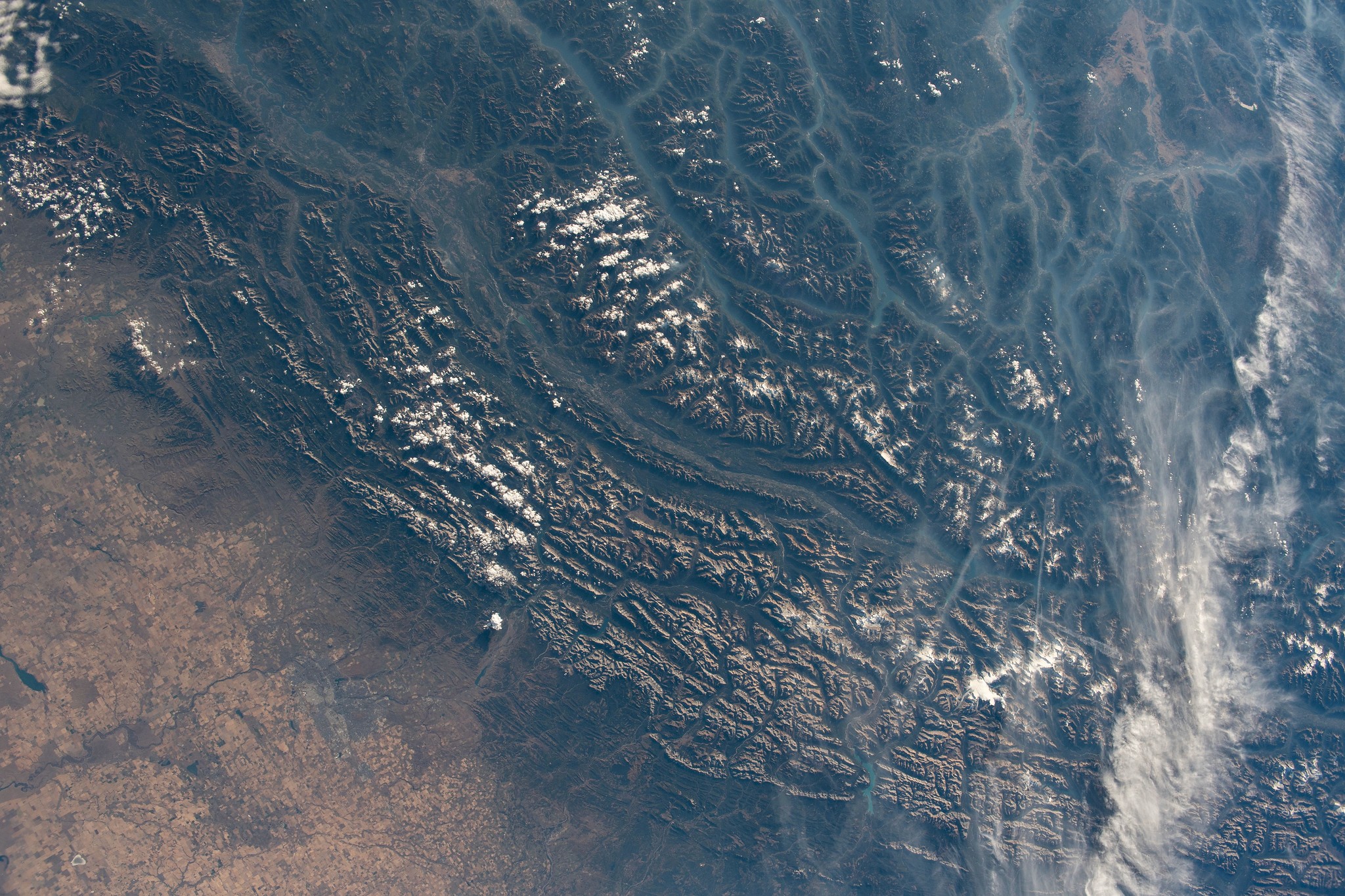
It is not surprising that a trend has been observed in the space industry for years: “Space for Earth.” This concept is built on using space resources and data from space to improve life on Earth and advance our technologies. Many of the satellites we send, and many of the people we send to the space station orbiting Earth, work and conduct research with one goal in mind: how can we better understand our planet, improve life on it, and make a meaningful difference?
The "Crew Dragon Endeavour" capsule, against the backdrop of the Southern Pacific Ocean from an altitude of 426 km, from the International Space Station
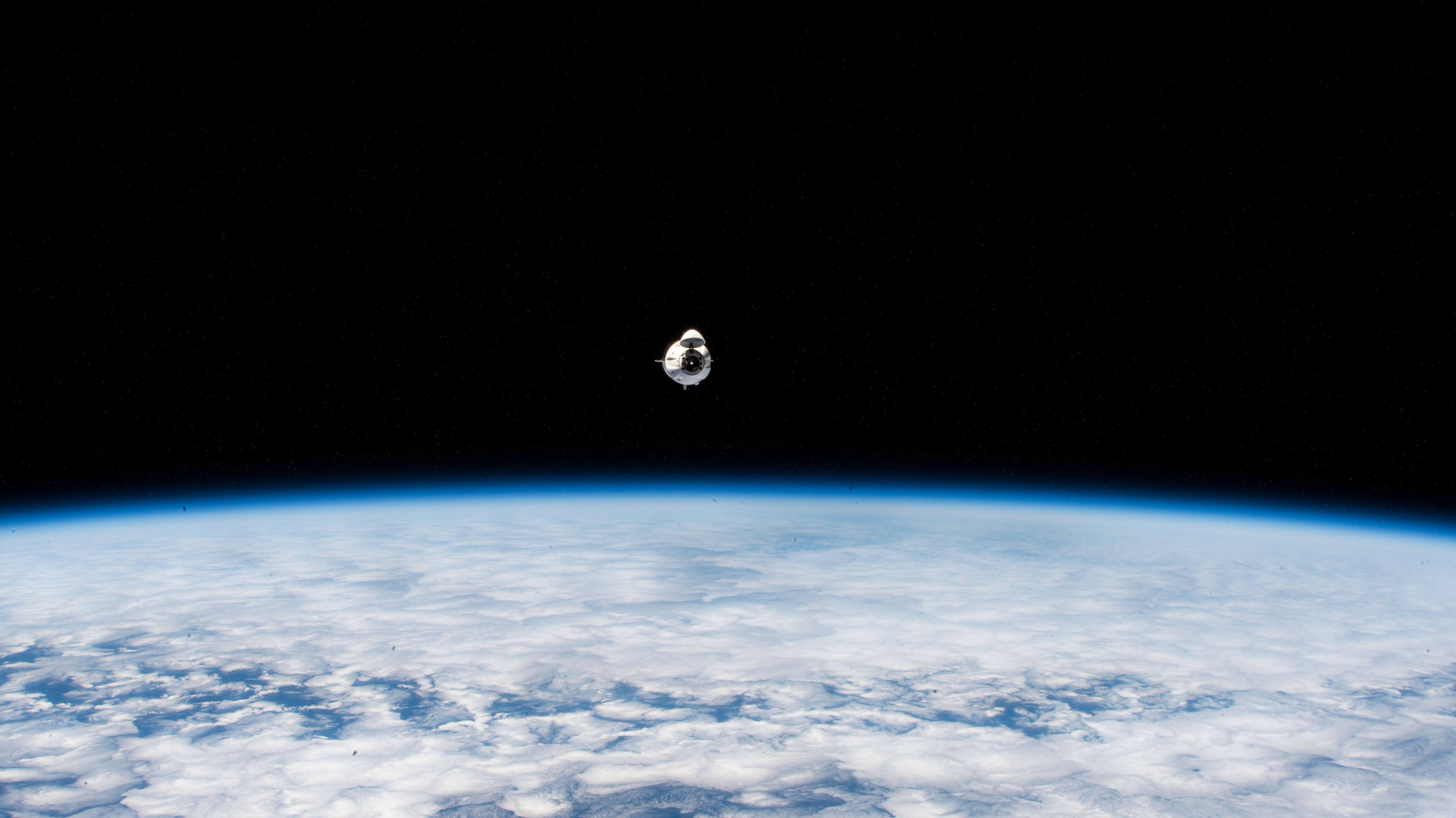
And then there are those who go to space and, simply by sharing what they felt when they return, manage to make a difference and inspire others. What if I told you that you could be one of them? Can you imagine yourself as one? Don’t be surprised, you really could be! Start imagining, I’ll tell you how.
A non-profit organization called Space for Humanity sends people to space “for Earth,” covering all costs through donations. It was founded in 2017 by Dylan Taylor with the idea that space should be accessible to everyone and that everyone should experience the Overview Effect. The organization believes this powerful perspective reshapes how we understand space, our planet, and our relationship with one another, playing an important role in building a future of sustainable peace and prosperity for humanity. In other words, going to space is a unique opportunity to better understand and protect our Earth. And for this purpose, the organization sends a chosen individual to space each year as a part of the “Citizen Astronaut Program” to experience the “Overview Effect” and, upon returning, inspire others through that experience.
Out of more than 7,000 applicants from over 100 countries, the first person selected and sent to space through this program was Katya Echazarreta on June 4, 2022. She became both the youngest person to go to space (26 years old) and the first woman of Mexican origin to do so. As the organization’s first S4H ambassador, Katya flew aboard Blue Origin’s New Shepard spacecraft as part of the NS-21 mission.
Katya Echazarreta, in the New Shepard capsule, in Earth's orbit
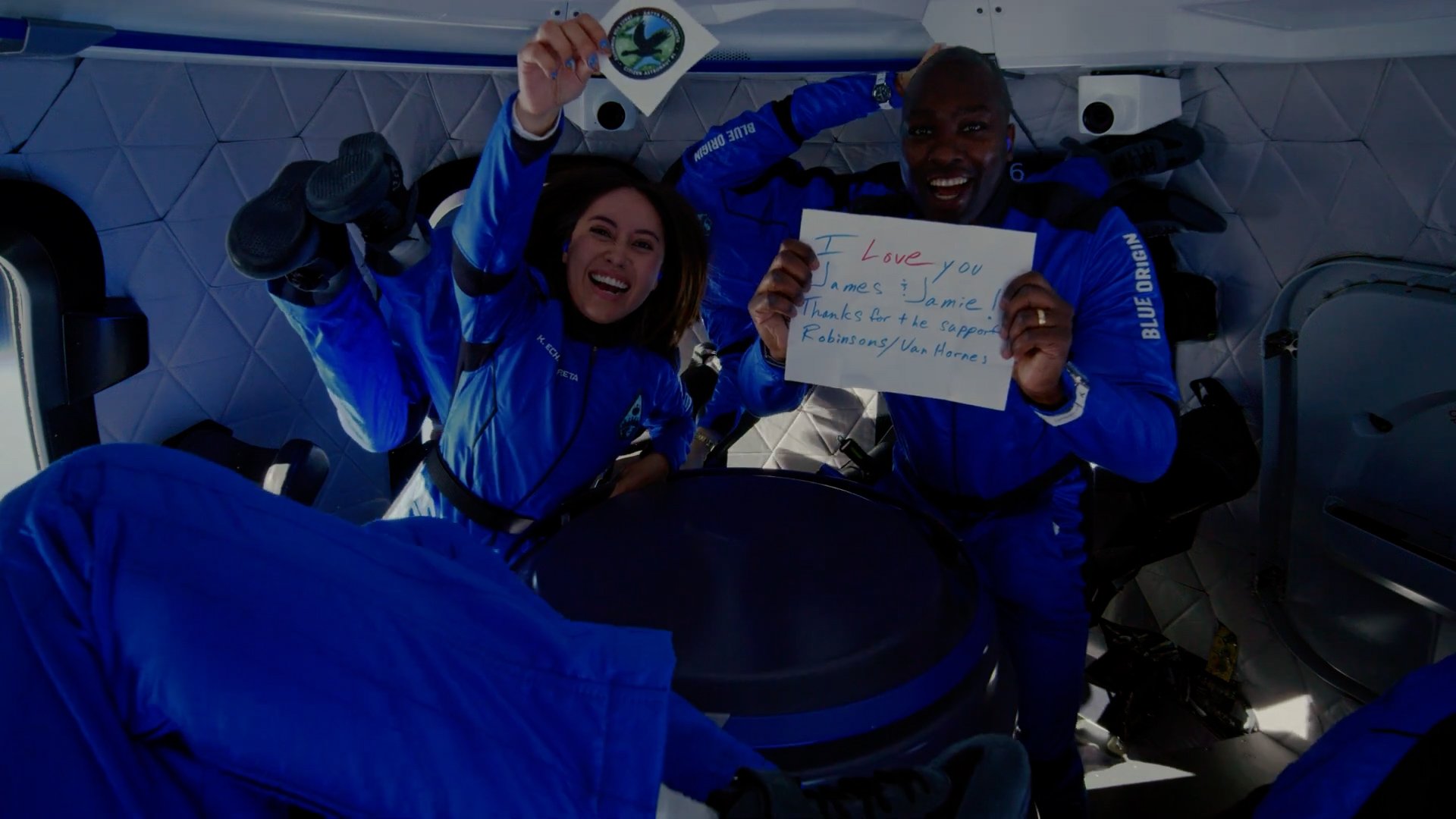
Katya is an electrical engineer working in the space field. Throughout her career, she has worked as an engineer on five different NASA missions. Actively using social media, she regularly creates content in both English and Spanish, sharing her experience and advice to support and inspire women who work in, or aspire to work in, STEM fields.
The second S4H ambassador selected through the Citizen Astronaut Program, Sara Sabry, completed her spaceflight on August 4, 2022, as part of Blue Origin’s NS-22 mission, becoming the first Egyptian astronaut and the program’s second citizen astronaut.
Sara Sabry, returning to Earth after her space travel
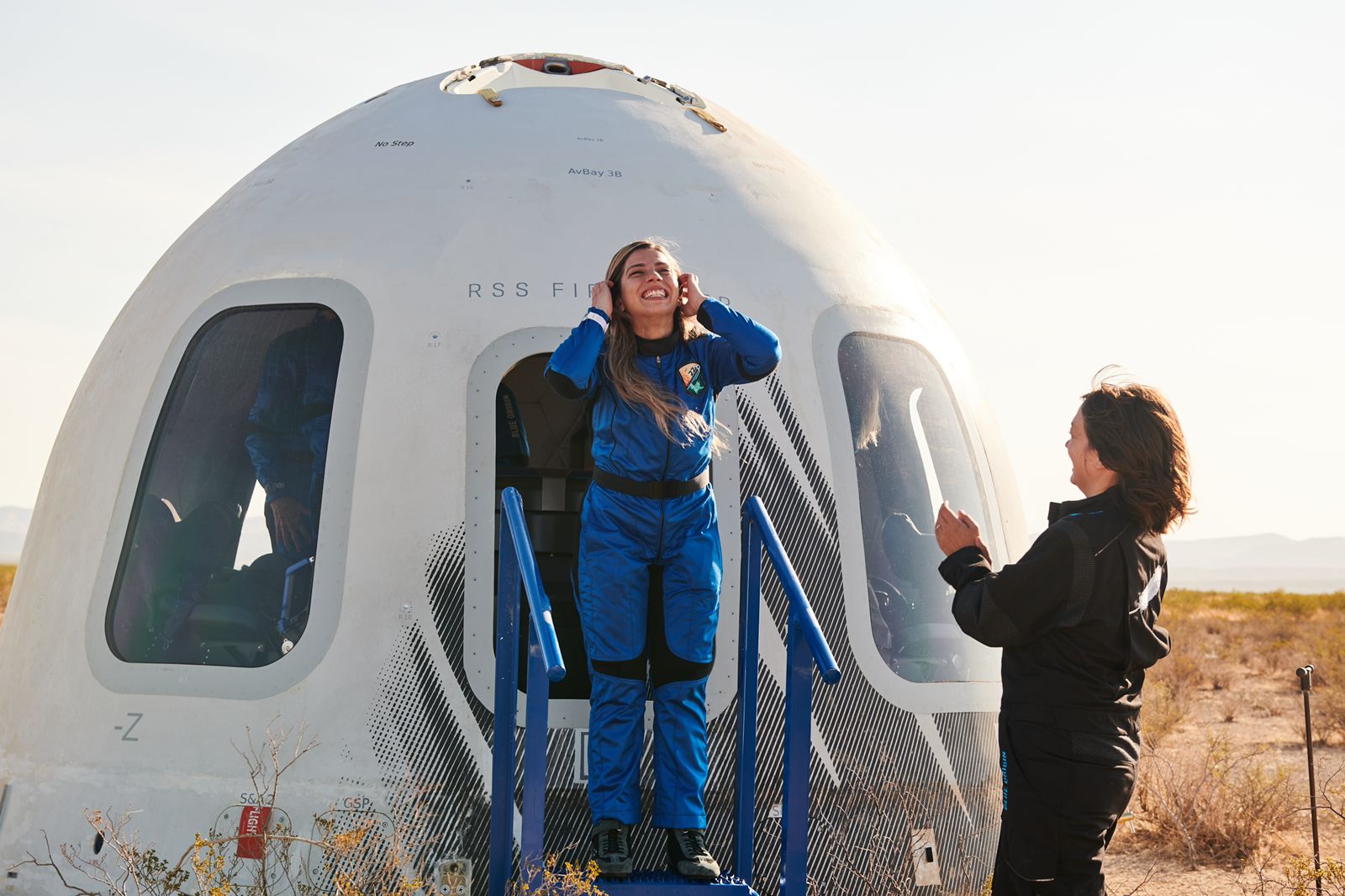
Alongside her engineering background, Sara is also the founder of the non-profit organization named Deep Space Initiative (DSP), which aims to expand access to space research. She is currently pursuing a PhD in aerospace sciences, focusing on the development of space suits.
She is one of those who laid the foundation for the Space Ambassadorship Program with the Egyptian Space Agency to inform children in the East who are unaware of the events occurring in space that are growing up watching rocket launches in the Western world about the possibilities of what can be done in space, and to support them along this path.
“When we dare to dream big, we achieve what once seemed impossible, break boundaries, write history, and leave new, exciting challenges for the future.”
Sara Sabry thought this way.
Now, it could be your turn. If you want to experience this effect, travel to space, and return to Earth to share your journey as an S4H ambassador and inspire others, don’t miss the third call for applications, open until November 15, 2022!
The requirements are very simple.
If you,
are at least 18 years old;
have a strong command of English;
want to make a positive impact on humanity and the world;
hold a leadership role in your community;
clearly understand the mission and responsibility of “Space for Humanity;”
have leadership and effective communication skills;
are motivated to solve problems;
are original, open-minded, and empathetic;
then you might be exactly who they’re looking for.
From here, you can visit the program’s website to learn more and apply to the “Citizen Astronaut Program.”
—
As astronaut Eugene A. Cernan said,
“There are no borders created by the color of our skin, our religion, or our political views. From here, they don’t exist. I wonder, if we could bring everyone here, what kind of world would it be?”
We may not be able to take everyone to space, but we can be their eyes. By exploring the depths of space, we can better appreciate the value of our only home, Earth, and strive even more to protect it. We can join the call or even create that call ourselves. And above all, we might want to go to space for Earth itself. What do you think, are you ready?
I'm already in space, and waiting for you. See you there, soon!
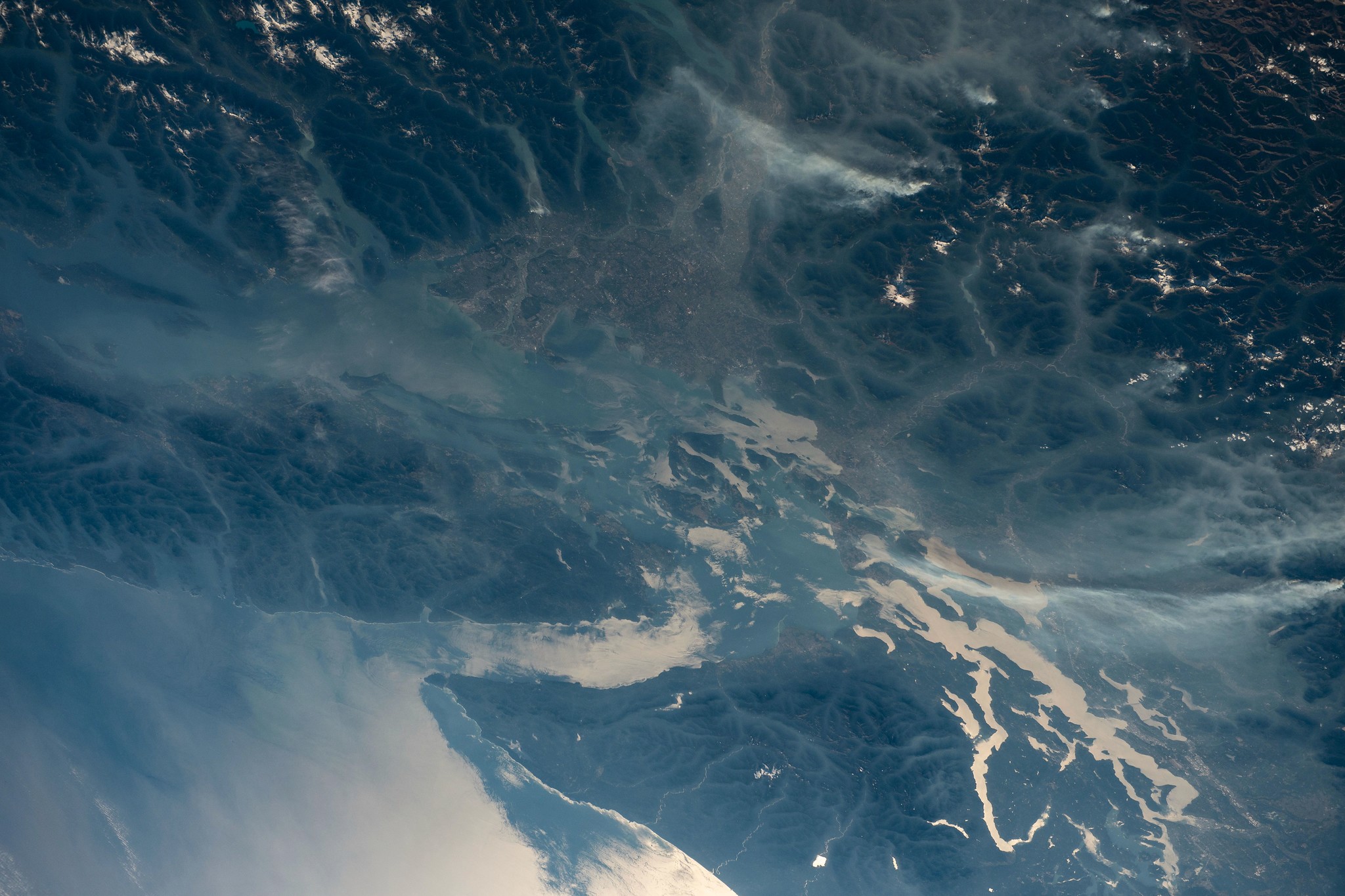
Canada (top part) and North America (bottom right part) from an altitude of 420 km, from the International Space Station
—
S4H ambassador - a person who has been selected and sent to space through the “Space for Humanity” organization
STEM - an educational approach designed for students interested in these fields: Science, Technology, Engineering, Mathematics
© 2026 Zəhra Kosmosda